
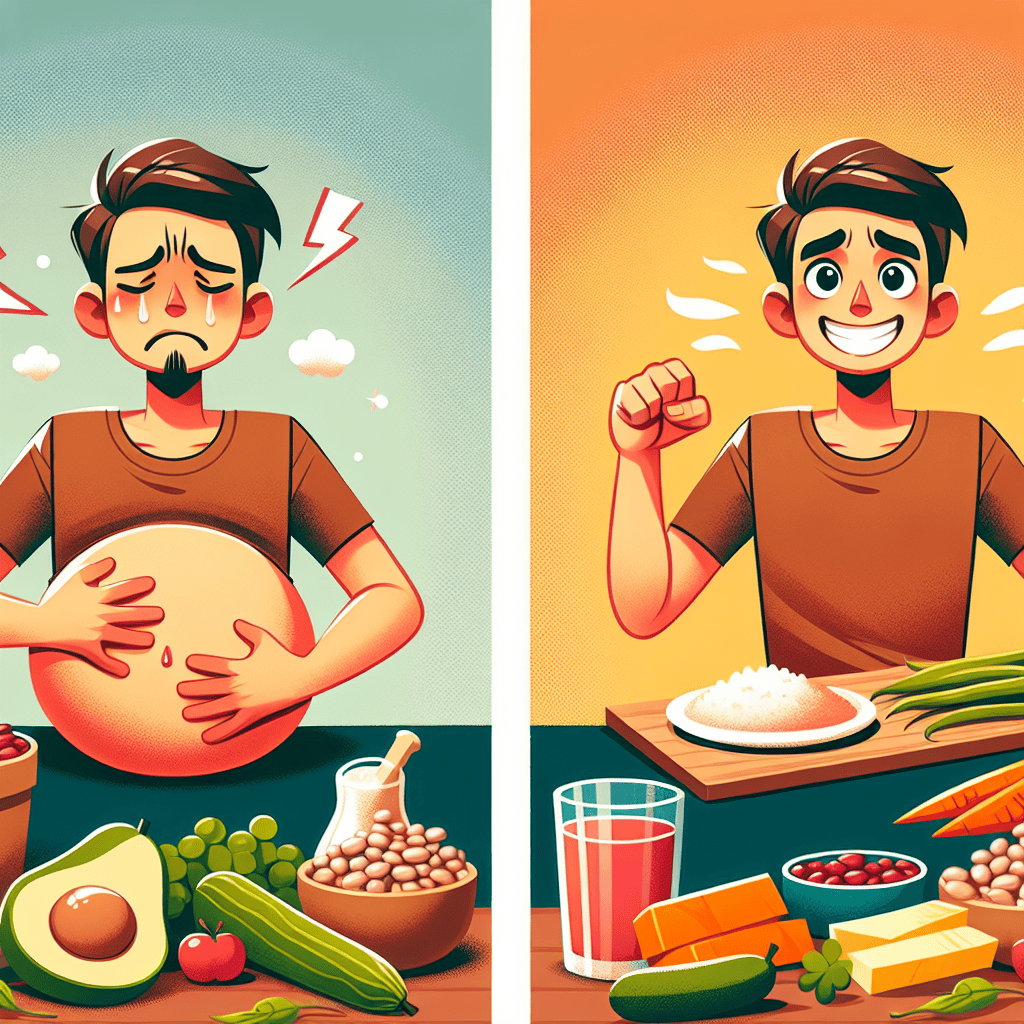
You decided to eat healthier and loaded up on fruits, vegetables, beans, and whole grains. A few days later, your belly is swollen like a balloon, and you’re wondering if fiber is actually making things worse. Sound familiar? You’re not alone. The relationship between fiber and bloating is complicated, and it trips up a lot of people. The truth is that fiber can both cause and relieve bloating, depending on how you use it. This guide breaks down exactly why fiber makes some people bloated, when it actually helps, and how to increase your intake without the uncomfortable side effects.
Why Fiber Causes Bloating
To understand why fiber makes you bloated, you need to know what happens when fiber reaches your colon. Unlike proteins, fats, and simple carbs, fiber passes through your stomach and small intestine without being digested. When it arrives in the colon, the trillions of bacteria living there start fermenting it.
This fermentation process produces gases, mainly hydrogen, methane, and carbon dioxide. That’s the gas you feel building up in your abdomen. It’s a completely normal biological process, and it actually means your gut bacteria are doing their job.
The problem isn’t the fermentation itself. It’s the amount and speed of the change. When you suddenly go from 12 grams of fiber per day to 35 grams, your gut bacteria aren’t prepared for the workload. They produce an unusually large amount of gas in a short period, and your intestines stretch to accommodate it. That’s bloating.
Some fiber types are more fermentable than others, which is why certain foods cause more gas:
- Highly fermentable (more gas): Beans, lentils, cabbage, Brussels sprouts, onions, garlic, wheat bran, inulin (chicory root fiber)
- Moderately fermentable: Oats, barley, most fruits, carrots
- Less fermentable (less gas): Psyllium husk, methylcellulose, rice, potatoes, lettuce, zucchini
When Fiber Actually Helps Bloating
Here’s what surprises most people: once your gut adjusts, fiber typically reduces bloating rather than causing it. There are several reasons for this.
Fiber prevents constipation-related bloating. One of the most common causes of bloating is constipation. When stool sits in the colon too long, bacteria continue to ferment the remaining food particles, producing gas that gets trapped behind the blockage. By keeping stool moving, fiber prevents this gas buildup. If constipation is your main issue, see our list of the best high-fiber foods for constipation relief.
Fiber supports a healthier microbiome. A diverse, well-fed gut microbiome is more efficient at digesting food and produces less excess gas over time. Research from the Harvard T.H. Chan School of Public Health shows that high-fiber diets promote microbial diversity, which is linked to less bloating and better overall digestive comfort.
Soluble fiber absorbs excess water. If your bloating comes with loose stools, soluble fiber can help by absorbing water in the colon and forming a gel that normalizes stool consistency. Soluble fiber gently regulates the pace of digestion in both directions.
The 2-Week Adjustment Period
Your gut bacteria are adaptable, but they need time. Studies consistently show that bloating from increased fiber intake typically peaks in the first week and resolves within 2 to 3 weeks. During this adjustment period, your microbiome is literally growing new bacterial populations that can handle the increased fiber load more efficiently.
A 2012 study published in the American Journal of Gastroenterology tracked participants who increased fiber intake and found that while gas and bloating increased initially, both symptoms decreased significantly by week 3. The key finding: people who stuck with it felt better than baseline after the adjustment period.
This is why so many people give up on fiber too early. They experience bloating in week one, assume fiber “doesn’t agree with them,” and go back to their low-fiber diet. If they’d pushed through another week or two, the bloating would have resolved.
7 Strategies to Increase Fiber Without Bloating
These strategies are based on research and practical experience. Follow them, and you can increase your fiber intake to the recommended 25 to 38 grams per day with minimal discomfort.
1. Add 3 to 5 Grams Per Week
This is the single most important rule. Don’t jump from 15 grams to 35 grams overnight. Add one high-fiber food per day, wait a few days, then add another. Your gut bacteria need gradual exposure to adapt.
2. Drink More Water
Fiber absorbs water. Without enough fluids, fiber can form a dense mass in your digestive tract that moves slowly and generates more gas. Aim for at least 8 cups of water per day, and add an extra cup for every 5 grams of fiber above your baseline.
3. Cook Your Vegetables
Raw vegetables contain intact cell walls that are harder for your digestive system to break down, leading to more fermentation in the colon. Steaming, roasting, or sauteing vegetables partially breaks down these tough fibers, making them gentler on your gut while still providing the same nutritional benefits.
4. Start with Low-Gas Fiber Sources
Not all fiber is equally gassy. Begin with foods that are less fermentable:
- Oats and oatmeal
- Sweet potatoes and regular potatoes
- Carrots (cooked)
- Zucchini and squash
- Bananas
- Rice (brown or white)
- Psyllium husk (a fiber supplement that causes very little gas)
Once your gut tolerates these well, gradually introduce higher-gas foods like beans, cruciferous vegetables, and onions.
5. Soak and Rinse Beans
Beans contain oligosaccharides, complex sugars that humans can’t digest, which gut bacteria ferment aggressively. Soaking dried beans for 12 hours and discarding the soaking water removes a significant portion of these sugars. For canned beans, rinse them thoroughly under running water before cooking.
6. Try Enzyme Supplements for Problem Foods
Products containing alpha-galactosidase (like Beano) can help break down the oligosaccharides in beans and cruciferous vegetables before they reach your colon. Take them with your first bite of the problem food for best results.
7. Walk After Meals
A 10 to 15-minute walk after eating stimulates gastric motility and helps move gas through the digestive tract. Multiple studies have shown that post-meal walking reduces bloating, and it’s free.
Fiber Types Ranked by Bloating Risk
| Fiber Type / Food | Bloating Risk | Best For |
|---|---|---|
| Psyllium husk | Low | IBS, sensitive stomachs |
| Oats | Low | Daily regularity |
| Sweet potatoes | Low | Gentle fiber increase |
| Chia seeds | Low-Medium | Adding bulk to meals |
| Berries | Low-Medium | Antioxidants + fiber |
| Broccoli (cooked) | Medium | Nutrient density |
| Inulin (chicory root) | Medium-High | Prebiotic support |
| Wheat bran | Medium-High | Maximum bulk |
| Lentils | High | High-protein fiber |
| Beans (kidney, black, navy) | High | Maximum fiber per serving |
When Bloating Might Signal Something Else
While fiber-related bloating is usually temporary and harmless, persistent bloating that doesn’t improve after 3 to 4 weeks of gradual fiber increase may indicate an underlying condition:
- IBS (Irritable Bowel Syndrome): Affects 10 to 15% of adults. Certain types of fiber, especially insoluble fiber and FODMAPs, can worsen IBS symptoms. Soluble fiber like psyllium is generally better tolerated.
- SIBO (Small Intestinal Bacterial Overgrowth): Bacteria in the wrong part of the gut ferment fiber prematurely, causing excessive gas and bloating.
- Food intolerances: Lactose or fructose intolerance can mimic fiber-related bloating.
- Celiac disease: If wheat-based fiber sources cause severe bloating, consider testing for celiac disease.
If bloating is severe, accompanied by pain, weight loss, or blood in your stool, see a healthcare provider. These symptoms warrant medical evaluation. For more on how fiber affects the full spectrum of digestive health, read our complete guide to fiber and digestive health.
Frequently Asked Questions
Does fiber make bloating worse?
Fiber can temporarily increase bloating when you first start eating more of it. This happens because gut bacteria produce gas as they ferment fiber. However, after 2 to 3 weeks of gradual increase, bloating typically decreases as your microbiome adapts. The key is starting slowly and drinking enough water.
What is the best fiber for bloating?
Psyllium husk is the best fiber for people prone to bloating. It’s a soluble fiber that causes very little gas compared to other types. Oats, sweet potatoes, and bananas are also well-tolerated food sources. Avoid high-FODMAP sources like beans and onions until your gut adjusts.
How long does fiber bloating last?
Fiber-related bloating usually lasts 1 to 3 weeks when you increase intake gradually. If you made a sudden large increase, bloating may be more intense but still resolves within 2 to 3 weeks. If it persists beyond 4 weeks, consult a doctor to rule out other causes.
Should I stop eating fiber if I’m bloated?
No. Cutting fiber will relieve bloating temporarily but worsen your digestive health long term. Instead, reduce your intake slightly to a comfortable level, then increase again more slowly (3 to 5 grams per week). Also make sure you’re drinking enough water and cooking vegetables rather than eating them raw.
Can fiber supplements cause less bloating than high-fiber foods?
Some fiber supplements, particularly psyllium husk and methylcellulose, cause significantly less bloating than high-fiber foods like beans and cruciferous vegetables. This is because they’re less fermentable. They can be a good starting point for people who are very sensitive, then you can gradually add more whole food fiber sources.