
Constipation is one of the most common digestive complaints in the United States, affecting about 16% of adults and up to a third of those over 60. While there are plenty of over-the-counter remedies, one of the safest and most effective long-term solutions is simply eating more high-fiber foods for constipation. In this article, you’ll find the best fiber-rich foods that relieve constipation naturally, learn why they work, and get a practical meal plan to keep things moving.
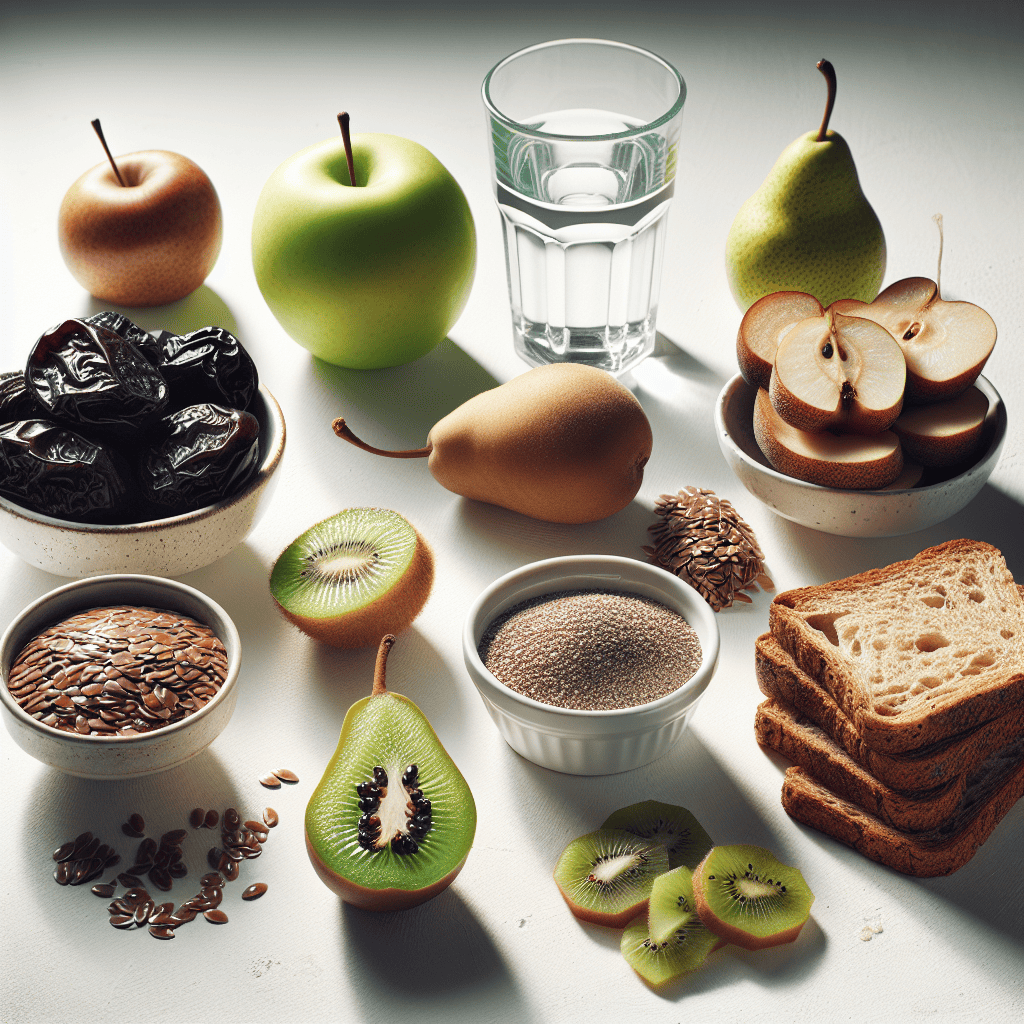
Why Fiber Relieves Constipation
Constipation happens when stool moves too slowly through the colon, giving the body too much time to absorb water from it. The result is hard, dry, difficult-to-pass stools. Fiber combats this in two key ways:
- Insoluble fiber adds physical bulk to stool, stimulating the colon walls and triggering the muscle contractions (peristalsis) that push waste through. Think of it like giving your colon something substantial to grip and move.
- Soluble fiber absorbs water and forms a gel that softens stool, making it easier and more comfortable to pass.
Most constipation-fighting foods contain both types, which is why a food-first approach works so well. For a deeper look at these two fiber categories, see our guide on soluble vs insoluble fiber.
The 12 Best High-Fiber Foods for Constipation
These foods are backed by research and real-world results. They’re ranked by effectiveness, not just fiber content, because some foods have unique compounds beyond fiber that make them especially good for constipation.
1. Prunes (Dried Plums)
Prunes are the gold standard for constipation relief, and for good reason. A single serving (about 5 prunes) delivers 3.4 grams of fiber plus sorbitol, a natural sugar alcohol that draws water into the colon. A randomized clinical trial published in Alimentary Pharmacology & Therapeutics found that prunes were more effective than psyllium for improving stool frequency and consistency. Start with 3 to 5 prunes per day and increase as needed.
2. Kiwifruit
Two green kiwifruits per day provide about 4 grams of fiber along with actinidin, a natural enzyme that supports digestion. A 2023 study in the American Journal of Gastroenterology found that kiwifruit improved bowel frequency in people with constipation as effectively as prunes, with the bonus of less bloating. Just cut them in half and scoop out the flesh with a spoon.
3. Ground Flaxseed
Two tablespoons of ground flaxseed pack 3.8 grams of fiber, a mix of both soluble and insoluble types. The soluble fiber forms a slippery gel that lubricates the intestinal tract. Sprinkle ground flaxseed on oatmeal, yogurt, or blend it into smoothies. Always use ground flax, since whole seeds can pass through undigested.
4. Chia Seeds
Just one ounce (about 2 tablespoons) of chia seeds contains a remarkable 10 grams of fiber. When soaked in liquid, chia seeds form a gel-like coating that adds moisture and bulk to stool. Try making chia pudding by mixing 2 tablespoons of chia seeds with half a cup of almond milk and letting it sit overnight.
5. Lentils
One cup of cooked lentils delivers 15.6 grams of fiber, making them one of the most fiber-dense foods you can eat. They’re also packed with protein, iron, and folate. Add them to soups, salads, or make a simple lentil stew. If beans tend to cause gas, start with smaller portions and rinse canned lentils thoroughly.
6. Oats
A cup of cooked oatmeal contains about 4 grams of fiber, primarily the soluble type beta-glucan. This fiber absorbs water and increases stool bulk while keeping it soft. Steel-cut oats have slightly more fiber than rolled oats, and both are far better than instant packets, which often have added sugar and less fiber.
7. Pears
One medium pear with skin provides 5.5 grams of fiber, more than most fruits. Pears also contain fructose and sorbitol, both of which have mild laxative effects. Eating the skin is key since that’s where most of the insoluble fiber is concentrated.
8. Black Beans
One cup of cooked black beans contains about 15 grams of fiber. Like lentils, they provide a concentrated dose of both soluble and insoluble fiber. They work well in burritos, salads, soups, and rice bowls. To reduce gas, soak dried beans overnight and discard the soaking water before cooking.
9. Broccoli
One cup of cooked broccoli delivers 5.1 grams of fiber along with sulforaphane, a compound that supports the gut lining. Steam or lightly roast broccoli to retain the most fiber and nutrients. Raw broccoli works too, but some people find it harder to digest.
10. Sweet Potatoes
One medium sweet potato with skin contains about 3.8 grams of fiber. The mix of soluble and insoluble fiber, combined with the starch content, makes sweet potatoes gentle on the digestive system while still promoting regularity. Bake them whole for maximum fiber retention.
11. Whole Wheat Bread
Two slices of whole wheat bread typically provide 4 to 6 grams of fiber, mostly the insoluble type from wheat bran. Look for bread where “whole wheat flour” is the first ingredient and that has at least 3 grams of fiber per slice. Swap white bread for whole wheat in sandwiches and toast for an easy fiber boost.
12. Raspberries
One cup of raspberries contains 8 grams of fiber, one of the highest amounts of any fruit. They’re also low in calories and high in antioxidants. Add them to breakfast cereal, yogurt, or just eat them by the handful as a snack.
For a broader list of fiber-rich foods across all categories, check out our guide to the best high-fiber foods to add to your diet.
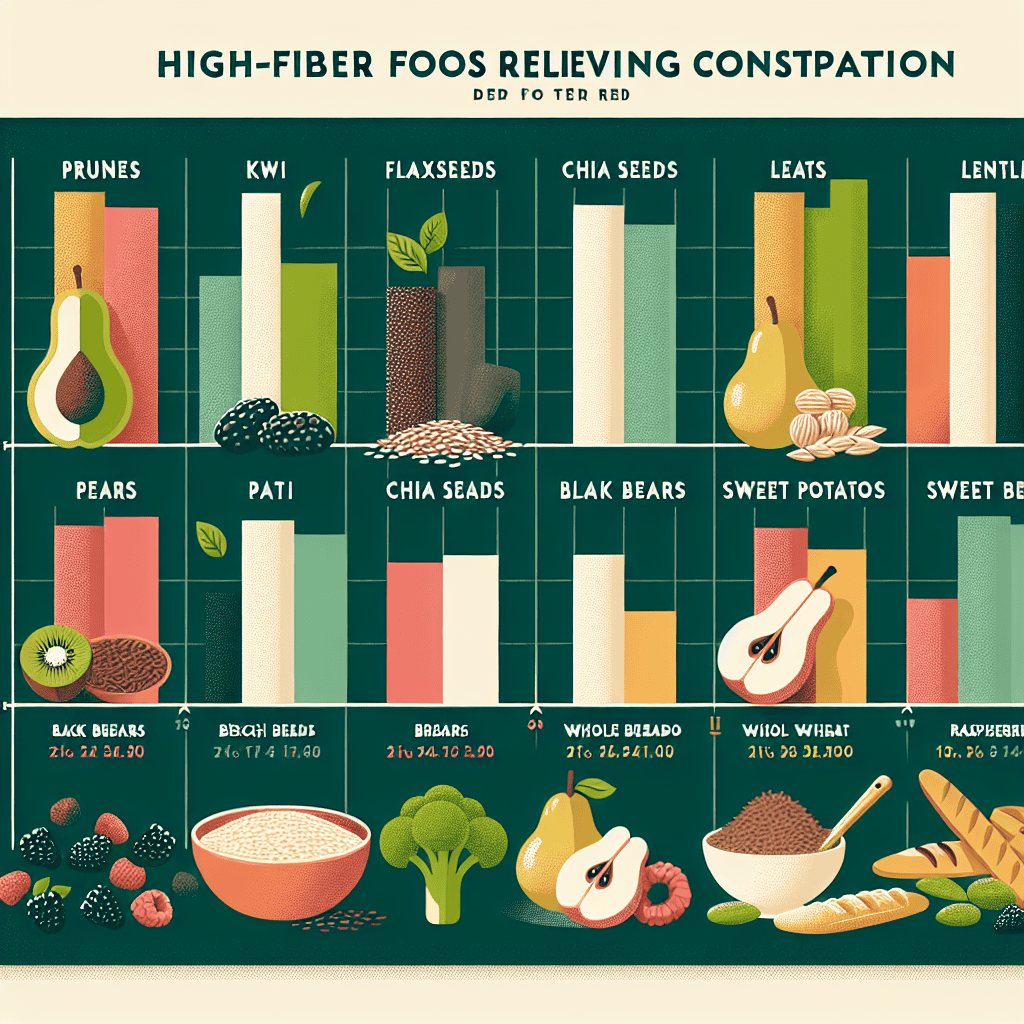
A Simple 3-Day Meal Plan for Constipation Relief
Here’s a practical meal plan that delivers 30+ grams of fiber per day using the foods listed above:
Day 1
- Breakfast: Oatmeal with ground flaxseed, raspberries, and a drizzle of honey (12g fiber)
- Lunch: Lentil soup with whole wheat bread (14g fiber)
- Snack: 5 prunes and a glass of water (3.4g fiber)
- Dinner: Grilled chicken with roasted sweet potato and steamed broccoli (9g fiber)
Day 2
- Breakfast: Chia pudding with sliced pear (11g fiber)
- Lunch: Black bean burrito bowl with brown rice and veggies (16g fiber)
- Snack: 2 kiwifruit (4g fiber)
- Dinner: Whole wheat pasta with broccoli and olive oil (8g fiber)
Day 3
- Breakfast: Whole wheat toast with avocado and ground flaxseed (10g fiber)
- Lunch: Large salad with black beans, corn, tomatoes, and pear slices (13g fiber)
- Snack: Raspberries with a small handful of almonds (10g fiber)
- Dinner: Lentil and sweet potato curry (12g fiber)
Important Tips for Using Fiber Against Constipation
Water is non-negotiable. Fiber absorbs water. If you increase fiber without drinking more fluids, you can actually make constipation worse. Aim for at least 8 glasses of water per day, and more when increasing fiber intake.
Increase gradually. Adding too much fiber at once is the number one reason people experience gas and bloating. Add 3 to 5 grams per day each week. Your gut bacteria need time to adjust. For more on managing this transition, our complete guide to fiber and digestive health covers the process in detail.
Move your body. Physical activity stimulates the muscles of the colon. Even a 20-minute walk after meals can significantly improve transit time. Combining fiber with regular movement is the most effective natural approach to constipation.
Don’t ignore the urge. When you feel the need to go, go. Delaying bowel movements allows the colon to absorb even more water from the stool, making it harder over time.
When to Consider a Fiber Supplement
For most people, food is the best source of fiber. But if you’ve tried increasing high-fiber foods and still struggle with constipation, a supplement can help bridge the gap. Psyllium husk is the most researched option for constipation relief and is the active ingredient in products like Metamucil.
Methylcellulose (Citrucel) is another option that tends to cause less gas than psyllium. Wheat dextrin (Benefiber) dissolves completely in liquids but may be less effective for constipation specifically.
For a full comparison of supplement types, see our fiber supplements guide. And to understand how much fiber you need per day, check our daily requirements guide.
Frequently Asked Questions
How quickly do high-fiber foods relieve constipation?
Most people notice improvement within 2 to 3 days of consistently increasing fiber intake. Prunes and kiwifruit tend to work fastest, sometimes within 24 hours, because they contain natural compounds beyond fiber that stimulate the bowel.
Are prunes really the best food for constipation?
Research supports prunes as one of the most effective foods. Their combination of fiber, sorbitol, and phenolic compounds makes them especially effective. A clinical trial found them superior to psyllium for improving stool frequency and consistency.
Can too much fiber cause constipation?
Ironically, yes. Eating a lot of fiber without adequate water intake can create bulky, dry stool that’s hard to pass. Always increase water intake alongside fiber. If you’re eating more than 40 grams per day and experiencing problems, try scaling back slightly.
What fiber is best for constipation: soluble or insoluble?
Both types help, but they work differently. Insoluble fiber (wheat bran, vegetables, whole grains) adds bulk and speeds transit. Soluble fiber (oats, psyllium, chia seeds) softens stool. A combination of both is ideal. If you have IBS, soluble fiber like psyllium is generally better tolerated.
Should I take a fiber supplement or eat more high-fiber foods?
Start with food. High-fiber foods provide vitamins, minerals, and antioxidants that supplements don’t. If food alone isn’t enough, add a psyllium-based supplement. Talk to your doctor if you have chronic constipation that doesn’t respond to dietary changes.