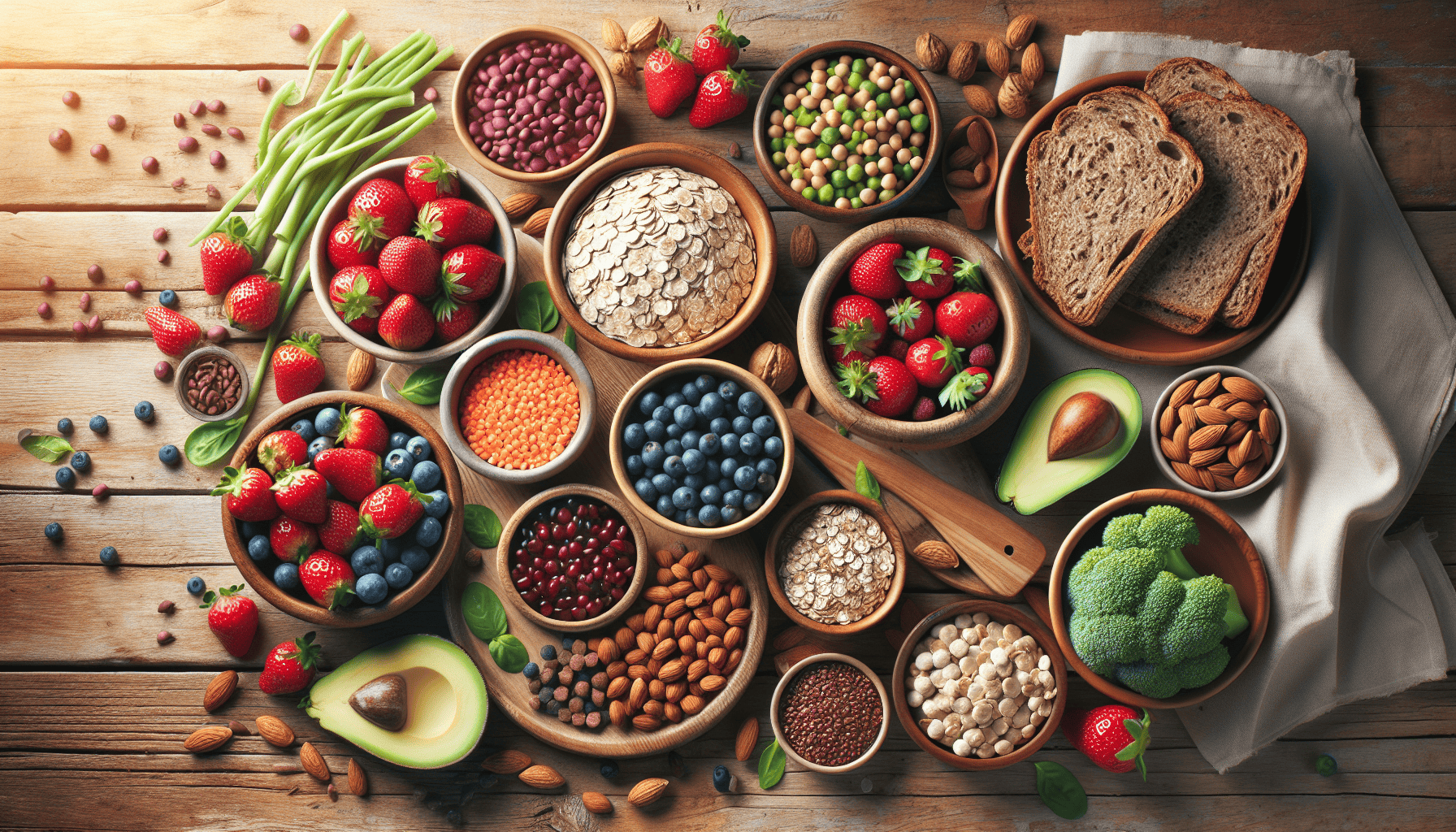
Eating more fiber doesn’t have to be complicated. The easiest way to boost your daily intake is simply to eat more of the right foods. From legumes and whole grains to fruits, vegetables, nuts, and seeds, nature provides plenty of delicious high-fiber foods to choose from.
This guide lists the best fiber-rich foods organized by category, with approximate fiber content per serving, so you can start making smarter choices today. For a broader overview of why fiber matters, see our complete guide to dietary fiber.
Legumes: The Fiber Powerhouses
If you’re serious about increasing your fiber intake, legumes should be at the top of your list. No other food group delivers as much fiber per serving.
Lentils (1 cup cooked) : 15.5 g fiber
Black beans (1 cup cooked) : 15 g fiber
Chickpeas (1 cup cooked) : 12.5 g fiber
Kidney beans (1 cup cooked) : 13.1 g fiber
Split peas (1 cup cooked) : 16.3 g fiber
Navy beans (1 cup cooked) : 19.1 g fiber
Lima beans (1 cup cooked) : 13.2 g fiber
Edamame (1 cup) : 8 g fiber
How to eat more legumes: Add beans to soups, stews, salads, and tacos. Many of these legumes also act as prebiotic fiber that feeds beneficial gut bacteria. Blend chickpeas into hummus. Use lentils as a base for veggie burgers or stir them into pasta sauces.
Whole Grains
Whole grains retain all three parts of the grain kernel : the bran, germ, and endosperm : which is why they contain significantly more fiber than their refined counterparts.
Barley (1 cup cooked) : 6 g fiber
Oats / Oatmeal (1 cup cooked) : 4 g fiber
Quinoa (1 cup cooked) : 5.2 g fiber
Brown rice (1 cup cooked) : 3.5 g fiber
Whole wheat pasta (1 cup cooked) : 6.3 g fiber
Whole wheat bread (1 slice) : 2-3 g fiber
Bulgur wheat (1 cup cooked) : 8.2 g fiber
Bran cereal (3/4 cup) : 5-10 g fiber (varies by brand)
Popcorn (3 cups air-popped) : 3.5 g fiber
Tip: When buying bread, pasta, or cereal, check the ingredients list. The first ingredient should be a whole grain. Look for at least 3 grams of fiber per serving.
Fruits
Fruits are a sweet, convenient way to add fiber to your diet. The key is to eat them whole rather than juiced : juicing removes most of the fiber.
Raspberries (1 cup) : 8 g fiber
Pear (1 medium, with skin) : 5.5 g fiber
Apple (1 medium, with skin) : 4.4 g fiber
Banana (1 medium) : 3.1 g fiber
Orange (1 medium) : 3.1 g fiber
Strawberries (1 cup) : 3 g fiber
Avocado (1/2 medium) : 5 g fiber
Blueberries (1 cup) : 3.6 g fiber
Dried figs (1/4 cup) : 3.7 g fiber
Prunes (1/4 cup) : 3.1 g fiber
Pro tip: Berries are the fiber champions among fruits. A cup of raspberries delivers as much fiber as three slices of whole wheat bread. If you’re looking for constipation relief specifically, check out our best high-fiber foods for constipation guide.
Vegetables
Vegetables provide fiber along with vital vitamins, minerals, and antioxidants. Both starchy and non-starchy vegetables make the list.
Artichoke (1 medium, cooked) : 10.3 g fiber
Green peas (1 cup cooked) : 8.8 g fiber
Broccoli (1 cup cooked) : 5.1 g fiber
Brussels sprouts (1 cup cooked) : 4.1 g fiber
Sweet potato (1 medium, with skin) : 3.8 g fiber
Carrots (1 cup raw) : 3.6 g fiber
Cauliflower (1 cup cooked) : 2.9 g fiber
Beets (1 cup cooked) : 3.4 g fiber
Kale (1 cup cooked) : 2.6 g fiber
Spinach (1 cup cooked) : 4.3 g fiber
Note: Cooking methods matter less than you might think. While raw vegetables retain slightly more fiber, cooked vegetables are still excellent sources. The most important thing is to eat them regularly.
Nuts and Seeds
Nuts and seeds are fiber-dense and also provide healthy fats, protein, and minerals. They make ideal snacks and toppings.
Chia seeds (2 tablespoons) : 10 g fiber
Flaxseeds (2 tablespoons, ground) : 3.8 g fiber
Almonds (1 oz / 23 almonds) : 3.5 g fiber
Pistachios (1 oz) : 2.9 g fiber
Sunflower seeds (1/4 cup) : 3.2 g fiber
Pumpkin seeds (1 oz) : 1.7 g fiber
Walnuts (1 oz) : 1.9 g fiber
Pecans (1 oz) : 2.7 g fiber
Easy wins: Add two tablespoons of chia seeds to your morning smoothie or yogurt, and you’ve already covered 10 grams : roughly a third of many people’s daily target.
Sample High-Fiber Day
Here’s what a full day of eating might look like when you prioritize high-fiber foods:
Breakfast (12 g fiber)
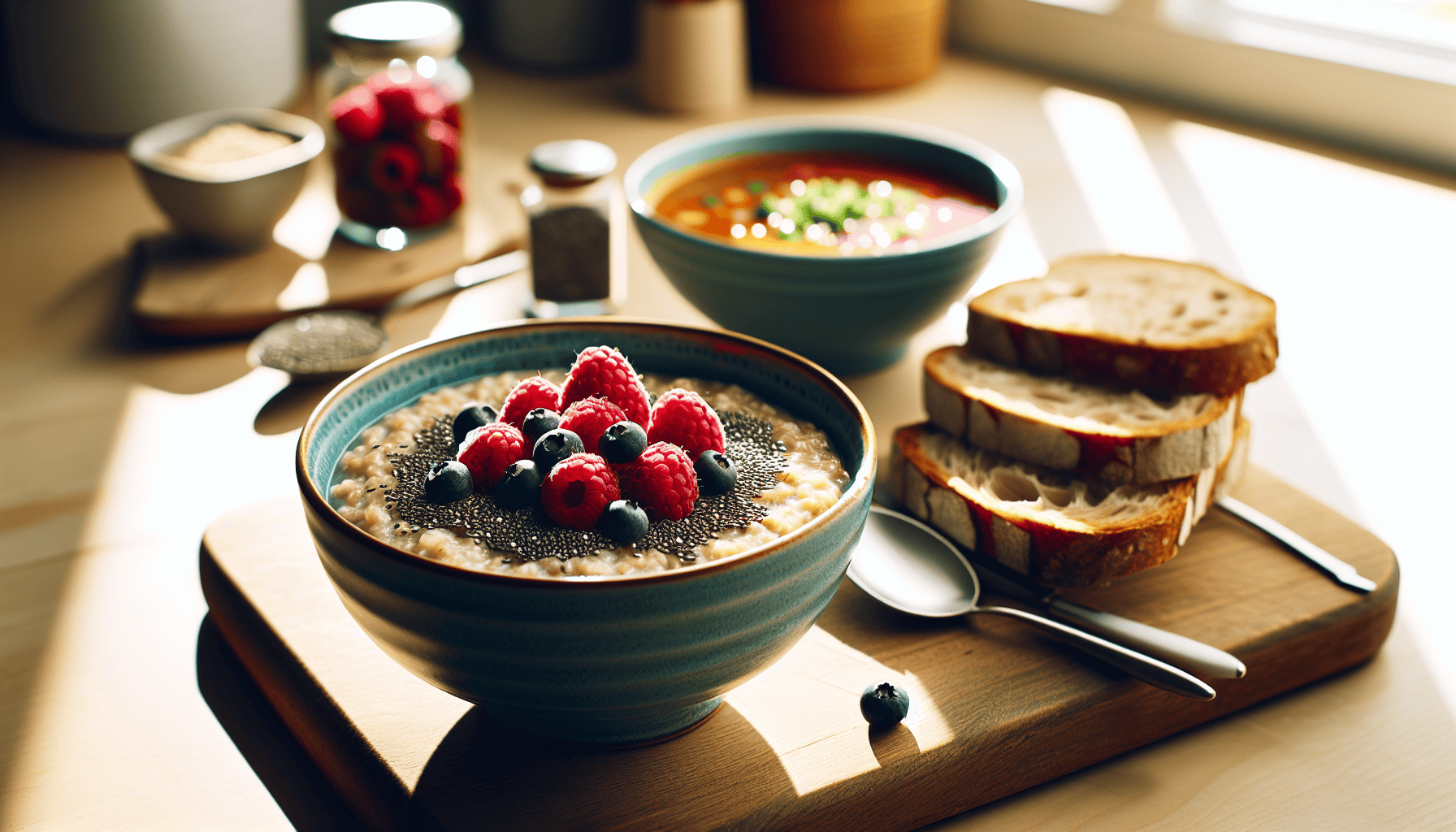
Oatmeal topped with raspberries and 2 tablespoons of chia seeds
Lunch (14 g fiber)
Black bean and vegetable soup with a slice of whole wheat bread and a side salad with avocado
Snack (5 g fiber)
Apple with a handful of almonds
Dinner (10 g fiber)
Grilled chicken with quinoa, roasted broccoli, and steamed carrots
Daily total: ~41 grams of fiber : well above the recommended 25-38 grams, all from whole foods.
Wondering exactly how much fiber you need based on your age and goals? Read our detailed article on how much fiber you need per day.
Foods That Seem High in Fiber But Aren’t
Watch out for these common traps:
White bread labeled “wheat bread” : unless it says “whole wheat,” it’s mostly refined flour with very little fiber
Fruit juice : even 100% juice has had most or all fiber removed
Iceberg lettuce : contains mostly water and very little fiber; choose darker greens instead
“Fiber-enriched” processed snacks : added fiber (like chicory root fiber) may not provide the same benefits as naturally occurring fiber
White rice : contains only about 0.6 g of fiber per cup compared to 3.5 g in brown rice
Tips for Adding More High-Fiber Foods
Make one swap per meal : replace white rice with brown rice, white bread with whole wheat, or chips with a handful of nuts
Eat the whole fruit : don’t juice it, don’t peel it when possible
Stock your pantry with legumes : canned beans are just as fiber-rich as dried ones and require zero prep
Add vegetables to everything : stir spinach into eggs, add broccoli to pasta, throw peas into rice dishes
Increase gradually : a sudden jump in fiber can cause bloating and gas; add a few extra grams each day over 2-3 weeks
If whole foods alone aren’t getting you to your daily target, fiber supplements can help fill the gap. And for a deeper understanding of the two main types of fiber in these foods, see our article on soluble vs insoluble fiber.
The Bottom Line
The best high-fiber foods are whole, minimally processed plant foods: legumes, whole grains, fruits, vegetables, nuts, and seeds. By incorporating a variety of these into your daily meals and snacks, hitting your fiber target becomes straightforward : no supplements required for most people.
Start with the foods you already enjoy, make simple swaps, and build from there. For the full picture on fiber and your health, revisit our complete guide to dietary fiber.