
Inside your gut lives a bustling community of trillions of bacteria, fungi, and other microorganisms collectively called the gut microbiome. These tiny residents aren’t freeloaders. They help digest food, produce essential vitamins, train your immune system, and even influence your mood. But like any living community, they need to eat. That’s where prebiotic fiber comes in. It’s the specific type of fiber that feeds the beneficial bacteria in your gut, helping them thrive and keeping your digestive system running smoothly. Here’s everything you need to know about how prebiotic fiber works, which foods contain the most of it, and how to get more into your diet.
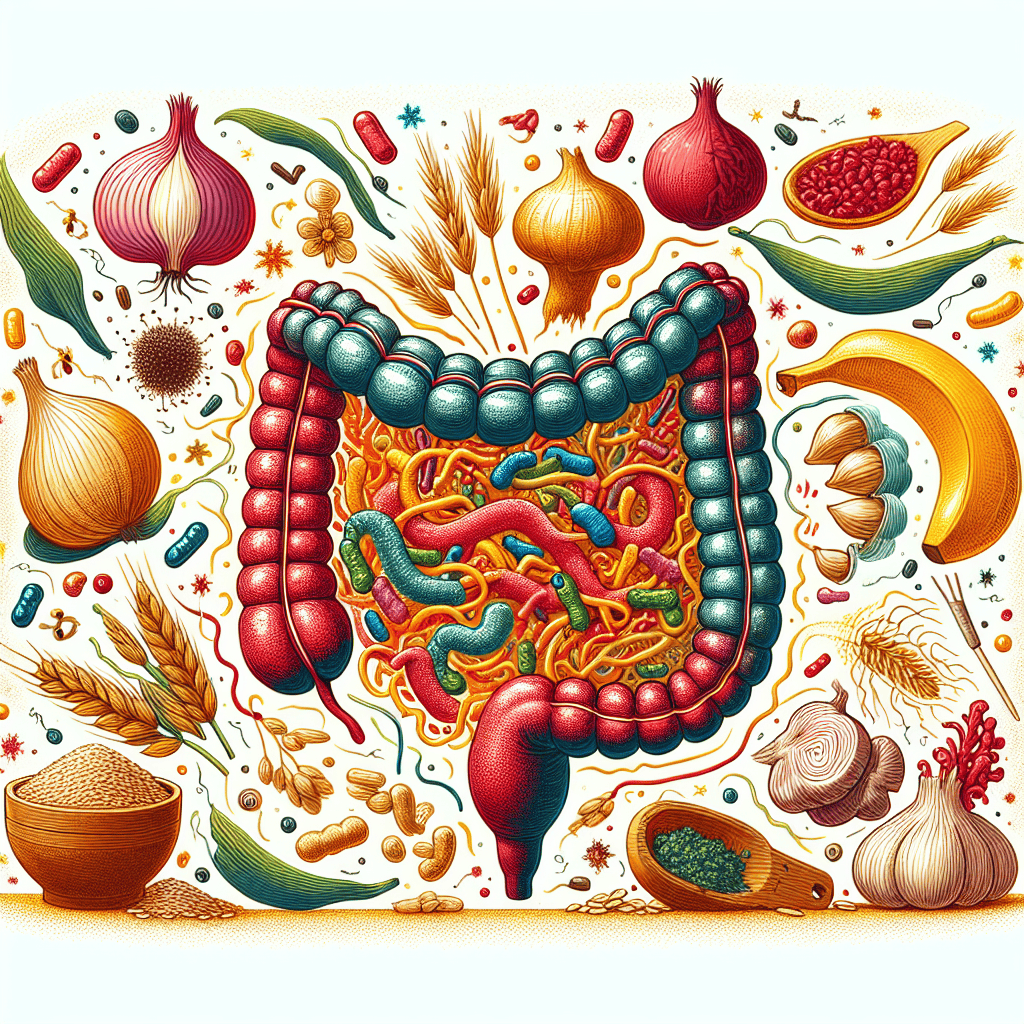
What Is Prebiotic Fiber?
All prebiotics are fiber, but not all fiber is prebiotic. That distinction matters.
Prebiotic fiber is a specific category of non-digestible carbohydrates that selectively stimulate the growth and activity of beneficial bacteria in the colon. To qualify as a prebiotic, a substance must meet three criteria set by the International Scientific Association for Probiotics and Prebiotics (ISAPP):
- It must resist digestion in the upper gastrointestinal tract
- It must be fermented by intestinal microorganisms
- It must selectively stimulate the growth or activity of beneficial bacteria
Regular fiber like cellulose (found in vegetable stalks and wheat bran) adds bulk to stool but isn’t particularly food for gut bacteria. Prebiotic fiber, on the other hand, is specifically fermented by beneficial species like Bifidobacterium and Lactobacillus, giving them a competitive advantage over harmful bacteria.
The main types of prebiotic fiber include:
- Inulin: Found in chicory root, garlic, onions, and leeks. One of the most studied prebiotics.
- Fructooligosaccharides (FOS): Shorter chains of fructose found in bananas, asparagus, and artichokes.
- Galactooligosaccharides (GOS): Found in legumes and some dairy products.
- Beta-glucan: Found in oats and barley. Primarily known for cholesterol-lowering effects but also has prebiotic activity.
- Resistant starch: Found in cooked-and-cooled potatoes, green bananas, and legumes. Acts as a prebiotic when it reaches the colon undigested.
For a broader look at the different categories of dietary fiber, including how soluble and insoluble fiber differ from prebiotic types, see our guide on soluble vs insoluble fiber.
How Prebiotic Fiber Feeds Your Gut Bacteria
When you eat prebiotic fiber, it travels through your stomach and small intestine without being broken down. It arrives in your colon intact, where your gut bacteria are waiting. What happens next is a process called saccharolytic fermentation, and it’s one of the most important things happening in your body.
Beneficial bacteria like Bifidobacterium break down prebiotic fiber into short-chain fatty acids (SCFAs). These SCFAs are the real stars of the show:
- Butyrate is the primary fuel source for colonocytes (the cells lining your colon). It strengthens the intestinal barrier, reduces inflammation, and promotes healthy cell turnover. Research suggests butyrate may even play a role in preventing colorectal cancer.
- Propionate travels to the liver, where it helps regulate cholesterol synthesis and glucose production. Studies show it may also help reduce appetite.
- Acetate enters the bloodstream and is used as an energy source by peripheral tissues. It also influences appetite-regulating pathways in the brain.
The more prebiotic fiber you eat, the more SCFAs your gut produces. This creates a healthier environment in the colon: lower pH (which inhibits harmful bacteria like Clostridium difficile), better mineral absorption (especially calcium and magnesium), and a stronger gut barrier that prevents toxins from entering the bloodstream.
Think of it like gardening. Prebiotic fiber is the fertilizer that makes your beneficial bacteria grow strong, and the SCFAs they produce are the flowers.
15 Best Prebiotic Foods
You don’t need a supplement to get prebiotic fiber. These foods are excellent sources, and many of them are probably already in your kitchen:
| Food | Prebiotic Type | Serving Size | Prebiotic Fiber |
|---|---|---|---|
| Chicory root | Inulin | 1 oz dried | 9.0 g |
| Jerusalem artichoke | Inulin | 1/2 cup | 9.0 g |
| Garlic | Inulin, FOS | 3 cloves | 2.0 g |
| Onions | Inulin, FOS | 1 medium | 2.6 g |
| Leeks | Inulin | 1 cup chopped | 1.8 g |
| Asparagus | Inulin, FOS | 1 cup | 2.5 g |
| Bananas (slightly green) | FOS, resistant starch | 1 medium | 1.5 g |
| Oats | Beta-glucan | 1 cup cooked | 2.0 g |
| Barley | Beta-glucan | 1 cup cooked | 2.5 g |
| Lentils | GOS, resistant starch | 1 cup cooked | 2.5 g |
| Chickpeas | GOS, resistant starch | 1 cup cooked | 2.0 g |
| Apples | Pectin | 1 medium | 1.2 g |
| Flaxseed | Mucilage, lignans | 2 tbsp ground | 1.5 g |
| Dandelion greens | Inulin | 1 cup | 1.9 g |
| Cocoa powder | Flavanol polyphenols | 2 tbsp | 1.8 g |
Many of these foods also show up on our best high-fiber foods list, confirming that the most nutritious fiber sources are often the most prebiotic ones too.
Prebiotics vs Probiotics: What’s the Difference?
These two terms sound similar but play very different roles:
- Probiotics are live beneficial bacteria that you introduce into your gut through fermented foods (yogurt, kefir, sauerkraut, kimchi) or supplements. They add new bacterial troops to your microbiome.
- Prebiotics are the food that keeps those bacteria (and your existing good bacteria) alive and active. Without prebiotics, probiotic bacteria may not survive long enough to colonize your gut.
Think of it this way: probiotics plant the seeds, prebiotics are the soil and fertilizer. You need both for a healthy gut garden. The smartest approach is to eat probiotic-rich fermented foods alongside prebiotic-rich foods. A lunch of yogurt with sliced banana and a drizzle of honey covers both bases in one sitting.
Signs Your Gut Needs More Prebiotic Fiber
Your body gives you clues when your microbiome isn’t getting enough fuel. Watch for these signs:
- Frequent digestive issues: Chronic bloating, gas, constipation, or irregularity can signal an imbalanced microbiome that needs prebiotic support.
- Getting sick often: About 70% of your immune system lives in your gut. If you’re catching every cold that goes around, your microbiome may be underperforming.
- Sugar cravings: Harmful bacteria and yeast thrive on sugar. When beneficial bacteria are outnumbered, cravings can increase.
- Mood changes: Your gut produces about 95% of your body’s serotonin. A poorly fed microbiome may contribute to anxiety and low mood, though this is still an emerging area of research.
- Skin issues: Acne, eczema, and other skin conditions have been linked to gut dysbiosis in multiple studies.
If any of these resonate, increasing prebiotic fiber is one of the easiest interventions you can make. Our complete guide to fiber and digestive health explains how different fiber types affect these systems.
How to Add More Prebiotic Fiber to Your Diet
The good news is that prebiotic-rich foods are common, affordable, and versatile. Here are simple ways to work them into your daily meals:
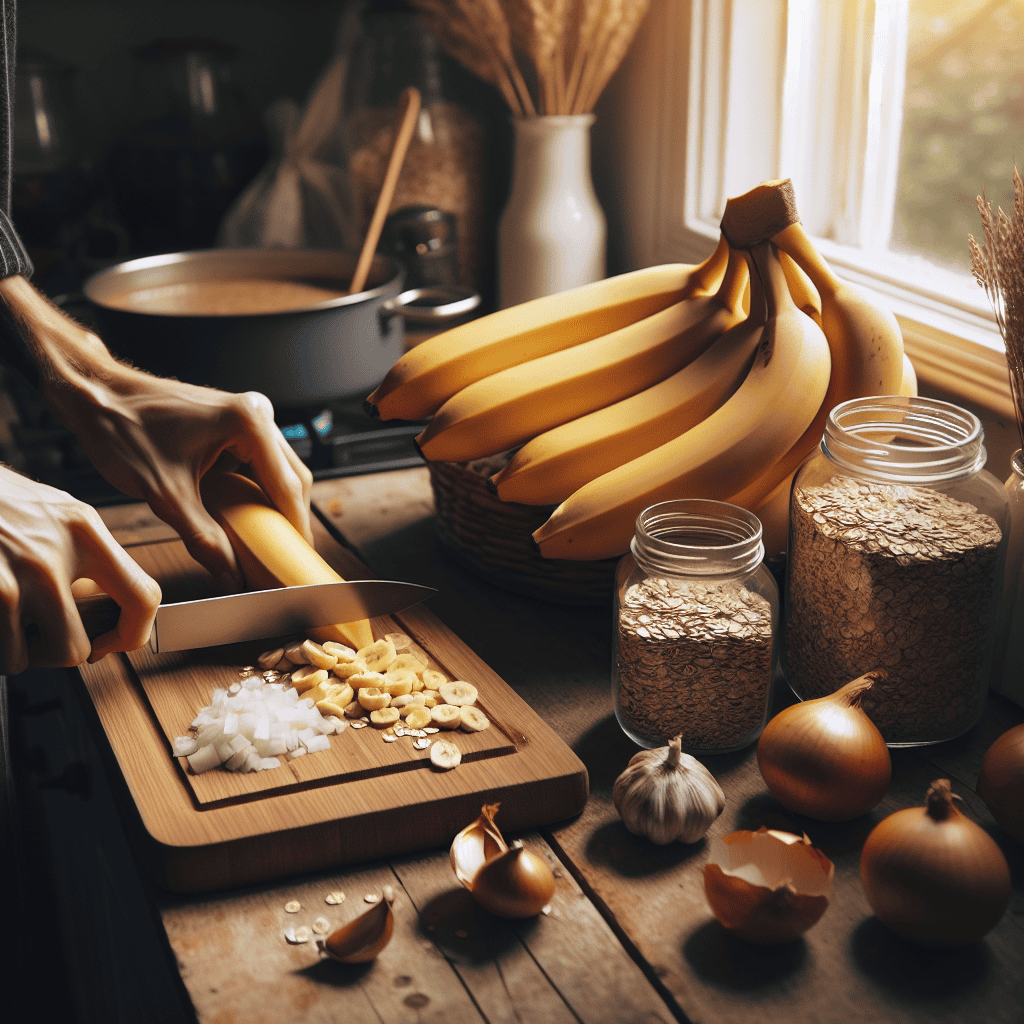
Breakfast: Start with oatmeal (beta-glucan) topped with sliced banana (FOS and resistant starch) and ground flaxseed (mucilage). This one meal provides three different prebiotic fiber types.
Lunch: Add garlic and onion to any soup, stew, or stir-fry. Both are rich in inulin and FOS. A lentil soup with garlic, onions, and a side of whole grain bread makes a prebiotic-packed meal.
Dinner: Roast asparagus and leeks as side dishes. Make a chickpea curry. Add barley to your soup instead of noodles.
Snacks: An apple with a tablespoon of almond butter. A banana. A small piece of dark chocolate (70%+ cocoa) for the polyphenol prebiotics.
Pro tip: Cook potatoes, rice, or pasta and let them cool before eating. This converts some of the starch to resistant starch, a powerful prebiotic. Potato salad, overnight oats, and cold rice sushi all naturally contain more resistant starch than their hot counterparts.
If you find it hard to get enough from food alone, you might consider a supplement. Our guide to fiber supplements covers prebiotic supplement options like inulin powder and FOS supplements.
Do Prebiotic Supplements Work?
Prebiotic supplements are convenient, and research supports their effectiveness for specific purposes. Inulin powder is the most common prebiotic supplement, typically derived from chicory root. Studies show that supplementing with 5 to 10 grams of inulin per day significantly increases Bifidobacterium populations within 2 to 3 weeks.
However, supplements have limitations:
- They provide only one type of prebiotic, while whole foods provide multiple types along with vitamins, minerals, and polyphenols.
- Inulin supplements can cause significant gas and bloating, especially at higher doses. Start with 2 to 3 grams and increase gradually.
- They miss the synergistic effects of whole food nutrients working together.
The bottom line: use supplements to fill gaps, not as a replacement for prebiotic-rich foods. If you’re eating garlic, onions, oats, and bananas regularly, you’re probably getting enough prebiotic fiber from food alone.
Frequently Asked Questions
How much prebiotic fiber do you need per day?
Research suggests 3 to 8 grams of prebiotic fiber per day is enough to significantly boost beneficial bacteria populations. There’s no official recommendation, but most nutrition experts suggest aiming for at least 5 grams daily. This is easily achievable by eating garlic, onions, bananas, oats, and legumes regularly.
Can you take prebiotics and probiotics together?
Yes, and it’s actually ideal. Prebiotics feed the beneficial bacteria that probiotics introduce. Taking or eating them together (called “synbiotics”) can be more effective than either alone. A simple example: yogurt (probiotic) with banana and oats (prebiotic).
Do prebiotics help with weight loss?
Emerging research suggests prebiotics may support weight management by increasing satiety hormones (GLP-1 and PYY), reducing appetite, and promoting a microbiome composition associated with leaner body types. However, prebiotics alone won’t cause significant weight loss without an overall healthy diet and activity level.
Are prebiotics safe for people with IBS?
Some prebiotics, especially inulin and FOS, are high-FODMAP and can worsen symptoms in people with IBS. Partially hydrolyzed guar gum (PHGG) is a low-FODMAP prebiotic that IBS patients tend to tolerate better. Work with a dietitian if you have IBS and want to increase prebiotic intake.
What is the difference between prebiotic fiber and regular fiber?
Regular fiber includes all non-digestible plant carbohydrates, such as cellulose and lignin, which add bulk to stool but aren’t significantly fermented by gut bacteria. Prebiotic fiber is a specific subset that is selectively fermented by beneficial bacteria, producing short-chain fatty acids that improve gut health. All prebiotic fiber is fiber, but not all fiber is prebiotic.