
What Is Dietary Fiber?
Dietary fiber refers to the parts of plant-based foods that your body cannot fully digest or absorb. Unlike proteins, fats, and carbohydrates (which your body breaks down and uses for energy), fiber passes relatively intact through your stomach, small intestine, and colon before leaving your body.
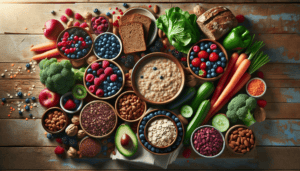
Fiber is found exclusively in plant foods: fruits, vegetables, whole grains, legumes, nuts, and seeds. Animal products like meat, dairy, and eggs contain no fiber at all.
Even though your body doesn’t extract calories from most fiber, it plays a critical role in digestion, heart health, blood sugar regulation, and weight management.
Types of Dietary Fiber
Fiber is broadly classified into two categories based on its solubility in water: soluble fiber and insoluble fiber. Most plant foods contain a mix of both, but usually lean more heavily toward one type.
Soluble Fiber
Soluble fiber dissolves in water to form a gel-like substance in your digestive tract. This type of fiber is particularly effective at:
- Lowering cholesterol : it binds to cholesterol particles and helps remove them from the body
- Regulating blood sugar : the gel slows the absorption of sugar, preventing spikes
- Feeding beneficial gut bacteria : soluble fiber acts as a prebiotic
Common sources include oats, barley, beans, lentils, apples, citrus fruits, and psyllium husk.
Insoluble Fiber
Insoluble fiber does not dissolve in water. Instead, it adds bulk to your stool and helps food pass more quickly through the digestive system. It’s especially helpful for:
- Preventing constipation : by increasing stool bulk and promoting regular bowel movements
- Supporting colon health : by reducing the time waste spends in the intestines
Good sources include whole wheat, wheat bran, vegetables, nuts, and the skins of many fruits.
For a deeper dive into how these two types compare and when to prioritize one over the other, read our article on soluble vs insoluble fiber.
Health Benefits of Dietary Fiber
The health benefits of a high-fiber diet are extensive and well-documented. Here are the most significant:
Digestive Health
Fiber keeps your digestive system running smoothly. Insoluble fiber adds bulk to stool, while soluble fiber softens it : together they promote regular, comfortable bowel movements. A high-fiber diet significantly reduces your risk of developing hemorrhoids, diverticular disease, and irritable bowel syndrome (IBS). For a deeper look at how fiber supports your entire digestive system, see our guide to fiber and digestive health.
Heart Health
Soluble fiber has been shown to lower LDL (“bad”) cholesterol levels by 5-10% when consumed regularly. Studies consistently link higher fiber intake with a reduced risk of cardiovascular disease, stroke, and high blood pressure.
Blood Sugar Control
Fiber, especially soluble fiber, slows the digestion and absorption of carbohydrates, leading to more gradual rises in blood sugar after meals. This is particularly important for people with type 2 diabetes or those at risk of developing it.
Weight Management
High-fiber foods tend to be more filling than low-fiber alternatives, which means you’re likely to eat less and stay satisfied longer. Fiber-rich meals take longer to eat and have a lower energy density, making them a powerful tool for weight management.
Gut Microbiome
Certain types of soluble fiber serve as prebiotics : food for the beneficial bacteria in your gut. Learn more about how prebiotic fiber feeds your gut bacteria. A healthy gut microbiome has been linked to improved immunity, better mental health, and reduced inflammation throughout the body.
Best Food Sources of Fiber
The best way to increase your fiber intake is through whole, unprocessed foods. Here’s a quick overview of the top sources by category:
Legumes
Beans, lentils, and chickpeas are among the most fiber-dense foods available. A single cup of cooked lentils provides about 15.5 grams of fiber.
Whole Grains
Oats, quinoa, brown rice, whole wheat bread, and barley are excellent sources. Look for products that list a whole grain as the first ingredient.
Fruits
Raspberries, pears, apples (with skin), bananas, and oranges are all high in fiber. Berries are particularly fiber-rich relative to their calorie content.
Vegetables
Artichokes, broccoli, Brussels sprouts, carrots, and green peas are standout options. Starchy vegetables like sweet potatoes also contribute meaningful amounts.
Nuts and Seeds
Chia seeds, flaxseeds, almonds, and pistachios pack both fiber and healthy fats. Two tablespoons of chia seeds contain about 10 grams of fiber.
For a comprehensive list of the best high-fiber foods organized by category, see our guide to best high-fiber foods to add to your diet.
How Much Fiber Do You Need?
The recommended daily fiber intake varies by age and gender:
- Adult women: 21-25 grams per day
- Adult men: 30-38 grams per day
- Children (1-18): 14-31 grams per day, depending on age
Unfortunately, the average American consumes only about 15 grams of fiber per day : roughly half of what’s recommended. This gap is largely due to diets heavy in processed foods, refined grains, and low in fruits and vegetables.
Learn more about recommended amounts, how to track your intake, and strategies for increasing it gradually in our detailed article on how much fiber you need per day.
Tips for Increasing Your Fiber Intake
Boosting your fiber intake doesn’t have to be difficult. Here are practical strategies that work:
- Start your day with whole grains : choose oatmeal, bran cereal, or whole wheat toast over refined options
- Eat more legumes : add beans or lentils to soups, salads, and stir-fries at least 2-3 times per week
- Keep fruit on hand : reach for an apple, pear, or handful of berries as a snack instead of chips or cookies
- Don’t peel your produce : the skins of apples, potatoes, and cucumbers are rich in insoluble fiber
- Add seeds to meals : sprinkle chia seeds or flaxseeds on yogurt, smoothies, or salads
- Read labels : look for breads, cereals, and pastas with at least 3 grams of fiber per serving
- Increase gradually : adding too much fiber too quickly can cause bloating and gas. Learn how to manage fiber and bloating. Increase by 3-5 grams per day over several weeks
- Drink plenty of water : fiber works best when it absorbs water, so staying hydrated is essential
Should You Take Fiber Supplements?
While whole foods are always the preferred source of fiber, fiber supplements can be a useful addition for people who struggle to meet their daily requirements through diet alone. Common supplement types include psyllium husk, methylcellulose, and inulin.
Supplements can be particularly helpful for older adults, people with digestive conditions, or anyone transitioning to a higher-fiber diet. However, they don’t provide the full range of vitamins, minerals, and phytonutrients that come with fiber-rich whole foods.
For a complete breakdown of supplement types, benefits, and who should consider them, read our article on fiber supplements: benefits, types, and who needs them.
Common Myths About Fiber
“All fiber is the same”
Not true. Soluble and insoluble fiber behave differently in the body and offer distinct health benefits. A balanced diet should include both types.
“You can get enough fiber from supplements alone”
Supplements can help bridge a gap, but they lack the additional nutrients found in whole foods. They should complement, not replace, a fiber-rich diet.
“Fiber causes stomach problems”
Only when you increase intake too rapidly. A gradual increase paired with adequate water intake prevents most digestive discomfort.
“Fiber is only important for digestion”
Fiber’s benefits extend far beyond digestion. It’s critical for heart health, blood sugar regulation, weight management, and a healthy gut microbiome.
The Bottom Line
Dietary fiber is a nutritional powerhouse that most people don’t get enough of. By choosing whole grains over refined ones, eating more fruits, vegetables, and legumes, and being mindful of your daily intake, you can dramatically improve your digestive health, reduce your risk of chronic disease, and better manage your weight.
Start small, stay consistent, and focus on getting your fiber from a variety of whole food sources. Your body, from your gut to your heart, will thank you.