
If you’ve ever dealt with bloating, irregular bowel movements, or an upset stomach, you’re not alone. Millions of people struggle with digestive issues every day, and one of the simplest fixes is often overlooked: fiber. Fiber and digestive health go hand in hand, and getting the right amount can transform how your gut feels and functions. In this guide, you’ll learn exactly how fiber supports every stage of digestion, which types matter most, and how to boost your intake without discomfort.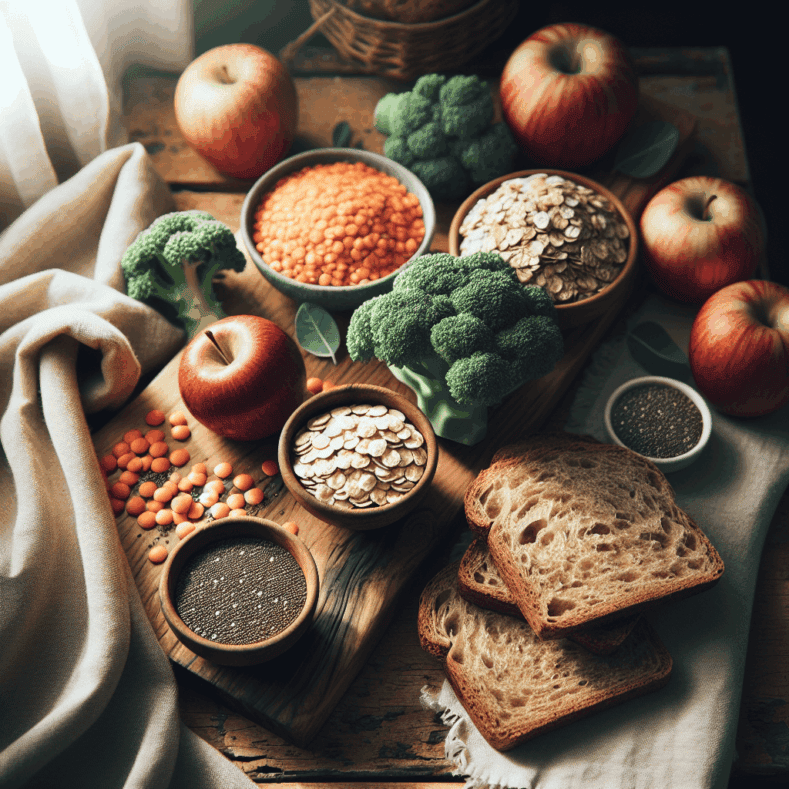
Key Takeaways
- Fiber is essential for digestion: it adds bulk to stool, feeds beneficial gut bacteria, and keeps things moving smoothly.
- Two types matter: soluble fiber absorbs water and softens stool, while insoluble fiber speeds up transit time.
- Most adults fall short: the average American eats only 15 grams per day, roughly half the recommended amount.
- Prebiotic fiber fuels the good bacteria in your gut, supporting immune function and nutrient absorption.
- Increase gradually: adding fiber too fast can cause gas and bloating. Go slow and drink plenty of water.
How Fiber Supports Your Digestive System
Your digestive system is a long, complex tube that breaks food down into nutrients your body can use. Fiber plays a unique role because your body can’t actually digest it. Instead, it passes through your stomach, small intestine, and colon largely intact, doing important work along the way.
In the stomach, soluble fiber absorbs water and forms a gel-like substance that slows digestion. This helps you feel full longer and gives your body more time to absorb nutrients. In the colon, insoluble fiber adds bulk to your stool and stimulates the walls of the intestine, triggering muscle contractions that push waste through more efficiently.
Think of fiber as the cleaning crew for your digestive tract. Without enough of it, waste moves slowly, water gets reabsorbed, and you’re left dealing with hard stools and constipation. With the right amount, everything flows the way it should.
For a deeper look at the two main categories, check out our guide on soluble vs insoluble fiber.
Soluble vs Insoluble Fiber for Digestion
Not all fiber works the same way in your gut. Understanding the difference between soluble and insoluble fiber helps you choose the right foods for your specific digestive needs.
Soluble fiber dissolves in water and forms a thick gel. You’ll find it in oats, beans, apples, citrus fruits, and psyllium husk. This type of fiber:
- Softens stool by holding onto water
- Slows glucose absorption, helping stabilize blood sugar
- Binds to cholesterol particles and removes them from the body
- Feeds beneficial bacteria in your colon (prebiotic effect)
Insoluble fiber doesn’t dissolve in water. It’s found in whole wheat, nuts, vegetables, and the skins of fruits. This type:
- Adds bulk to stool, making it easier to pass
- Speeds up transit time through the digestive tract
- Helps prevent constipation and hemorrhoids
- Supports regular bowel movements
Most plant foods contain both types, so eating a varied diet usually covers your bases. If constipation is your main concern, focus on insoluble fiber. If you’re dealing with loose stools or want to support gut bacteria, lean toward soluble sources.
Fiber, Constipation, and Bowel Regularity
Constipation affects roughly 16% of all adults in the United States, and that number jumps to 33% for adults over 60. It’s one of the most common digestive complaints, and low fiber intake is a leading cause.
When you don’t eat enough fiber, your stool becomes small, hard, and difficult to pass. Fiber fixes this in two ways. Insoluble fiber bulks up stool so the muscles of your colon can grip it and push it along. Soluble fiber draws water into the stool, making it softer and easier to pass.
A landmark review published in the World Journal of Gastroenterology found that dietary fiber intake significantly increases stool frequency in people with constipation. The researchers noted that fiber was most effective when combined with adequate fluid intake.
Here’s a practical tip that works for most people: start your day with a bowl of oatmeal topped with ground flaxseed and berries. That single meal can deliver 8 to 10 grams of fiber, about a third of your daily goal, and it sets the tone for regular bowel movements throughout the day.
For a full list of constipation-fighting foods, see our guide on high-fiber foods for constipation relief.
Prebiotic Fiber and Your Gut Microbiome
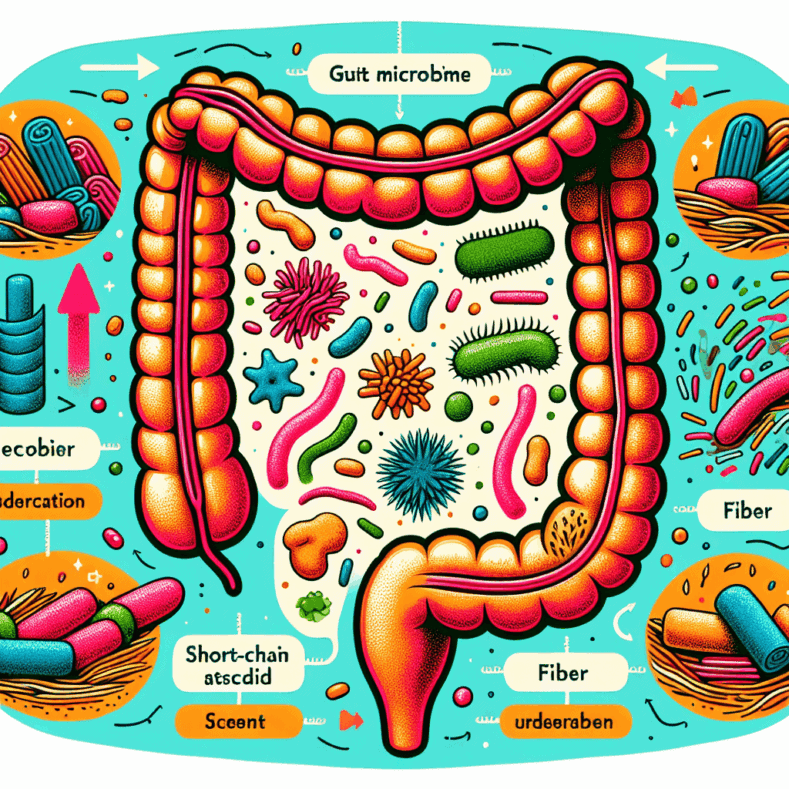
Your gut is home to trillions of bacteria collectively called the gut microbiome. These tiny organisms aren’t just passengers: they help digest food, produce vitamins, regulate your immune system, and even influence your mood. Prebiotic fiber is the fuel that keeps these beneficial bacteria alive and thriving.
When you eat prebiotic fiber, it travels undigested to your colon where bacteria ferment it. This fermentation process produces short-chain fatty acids (SCFAs) like butyrate, propionate, and acetate. These SCFAs are incredibly important:
- Butyrate is the primary energy source for the cells lining your colon. It strengthens the gut barrier and reduces inflammation.
- Propionate travels to the liver and helps regulate cholesterol production.
- Acetate enters the bloodstream and may help regulate appetite.
The best prebiotic fiber sources include garlic, onions, leeks, asparagus, bananas, oats, and chicory root. A Harvard T.H. Chan School of Public Health review confirmed that diets rich in prebiotic fiber are associated with greater microbial diversity, which is a marker of good gut health.
We’ve got a deep dive on this topic: prebiotic fiber and how it feeds your gut bacteria.
Fiber and Bloating: Finding the Balance
Here’s the irony: fiber is one of the best things for your digestive system, but adding too much too quickly is one of the most common causes of gas and bloating. This leads many people to avoid fiber altogether, which only makes their digestive problems worse over time.
Bloating from fiber happens because gut bacteria produce gas as they ferment fiber in the colon. If your gut bacteria aren’t used to processing a lot of fiber, a sudden increase overwhelms them and creates excess gas.
The solution isn’t less fiber. It’s a smarter approach:
- Increase fiber by 3 to 5 grams per day, not all at once.
- Drink an extra glass of water for every 5 grams of fiber you add.
- Cook your vegetables: cooking breaks down some of the tougher fibers, making them easier on your gut.
- Choose low-FODMAP fiber sources if you’re sensitive: oats, quinoa, carrots, and potatoes tend to cause less bloating than beans and cruciferous vegetables.
- Give it two to three weeks: your gut bacteria will adapt, and bloating usually decreases significantly.
For more on this topic, read our article on whether fiber helps or worsens bloating.
How Much Fiber You Need for Good Digestion
The recommended daily fiber intake varies by age and gender, but most adults need between 25 and 38 grams per day. Here’s a breakdown based on the Dietary Guidelines for Americans:
| Group | Daily Fiber (grams) |
|---|---|
| Women (19-50) | 25 g |
| Women (51+) | 21 g |
| Men (19-50) | 38 g |
| Men (51+) | 30 g |
| Children (1-3) | 19 g |
| Children (4-8) | 25 g |
The average American adult eats only about 15 grams per day, which is roughly half of what’s recommended. Closing that gap doesn’t require a complete diet overhaul. Small additions, like swapping white rice for brown rice, snacking on an apple instead of chips, or adding beans to your lunch, can make a real difference.
For a complete guide to daily requirements and a step-by-step plan, see how much fiber you need per day.
Fiber and Digestive Diseases
Beyond everyday regularity, adequate fiber intake is linked to a lower risk of several serious digestive conditions:
Diverticular disease: A high-fiber diet helps prevent diverticulosis (small pouches in the colon wall) by keeping stool soft and reducing pressure inside the colon. Research from the British Medical Journal found that people eating the most fiber had a 41% lower risk of diverticular disease compared to those eating the least.
Irritable bowel syndrome (IBS): Soluble fiber, especially psyllium husk, has been shown to improve symptoms in many IBS patients. The American College of Gastroenterology recommends soluble fiber as a first-line treatment for IBS with constipation. However, insoluble fiber (like wheat bran) can sometimes worsen symptoms in IBS patients, so the type of fiber matters.
Colorectal cancer: Multiple large-scale studies have found that higher fiber intake is associated with a reduced risk of colorectal cancer. The protective effect likely comes from fiber’s ability to dilute potential carcinogens, speed up transit time, and produce butyrate, which promotes healthy colon cell turnover.
Hemorrhoids: Straining during bowel movements is the primary cause of hemorrhoids. By softening stool and promoting regularity, fiber significantly reduces the need to strain.
If you’re considering a fiber supplement to help with any of these conditions, our guide to fiber supplements covers your options. You might also find our comparison of psyllium husk vs Metamucil helpful for choosing the right product.
5 Steps to Improve Your Digestion with Fiber
Ready to put this into action? Here’s a simple plan that works whether you’re eating 10 grams of fiber a day or 20:
- Track your current intake for three days. Read nutrition labels and use a free app like MyFitnessPal to get your baseline. Most people are surprised by how low their number is.
- Add one high-fiber food per meal. Berries with breakfast, a side salad at lunch, and roasted vegetables at dinner. That alone can add 10 to 15 grams to your daily total. Browse our list of best high-fiber foods for ideas.
- Increase water intake. Fiber absorbs water. Without enough fluids, high-fiber foods can actually make constipation worse. Aim for at least 8 cups of water per day, more if you’re active.
- Go slow. Add 3 to 5 grams per day each week until you reach your target. Jumping from 15 to 35 grams overnight is a recipe for misery.
- Mix your sources. Eat a variety of fruits, vegetables, whole grains, legumes, nuts, and seeds. Each source provides different types of fiber and different nutrients. Check out The Complete Guide to Dietary Fiber for a full breakdown.
Frequently Asked Questions
Does fiber help with diarrhea or just constipation?
Fiber helps with both. Soluble fiber absorbs excess water in the colon, which can firm up loose stools. Insoluble fiber adds bulk. For diarrhea, focus on soluble fiber sources like oats, bananas, and psyllium husk rather than insoluble sources like wheat bran.
How long does it take for fiber to improve digestion?
Most people notice changes in bowel regularity within 3 to 5 days of increasing fiber intake. However, it can take 2 to 3 weeks for your gut bacteria to fully adapt, especially if you’re significantly increasing your intake. Bloating and gas typically subside after this adjustment period.
Can you eat too much fiber?
Yes. Eating more than 70 grams of fiber per day can cause bloating, cramping, and may interfere with the absorption of certain minerals like calcium, iron, and zinc. Stick to the recommended 25 to 38 grams per day for most adults, and make sure you drink enough water.
Is it better to get fiber from food or supplements?
Whole foods are the best source because they provide vitamins, minerals, and antioxidants along with fiber. Supplements can be helpful if you struggle to get enough from food alone, particularly psyllium-based products. See our fiber supplements guide for detailed comparisons.
What are the best high-fiber foods for gut health?
The best options include lentils (15.6g per cup), black beans (15g per cup), avocado (10g each), oats (8g per cup), chia seeds (10g per ounce), and raspberries (8g per cup). These foods provide a mix of soluble and insoluble fiber plus prebiotic compounds that feed beneficial gut bacteria.